I had come home from work late at night and gone to bed. I woke up around lunchtime the next day and started watching some movie or series. Then I started crying at an absolutely random moment. At first calmly, but it quickly got worse, I just cried and cried and didn't understand why. Then I felt my left arm start to tingle. I was already thinking that maybe I was having a heart attack, I had drunk a lot of alcohol the night before, including hot shots with a lot of coffee in them, and smoked at least a pack of cigarettes. Even if I was twenty-seven, eight, maybe even younger at the time, it was a completely real fear. Even younger people than me have died from it.
The next moment my left hand went completely numb, then both hands, I couldn't feel my fingers or my face anymore. And then something happened that's almost impossible to put into words: a real, real fear of death. I had always thought before that death didn't scare me. But when that feeling actually comes, that this is the moment when you're going to die, you realize that you don't want to die after all. The difference between anxiety and panic, that you're really going to die, can't be explained to anyone. You have to experience it yourself. It takes over your whole body and mind. Your heart wants to jump out of your chest and it feels like you're going to suffocate because breathing is so, so difficult. You feel like all control over your own body has been completely lost. And to make matters worse for yourself, you focus only on these symptoms and nothing else exists. What should you do? Call an ambulance? No, I can't do that. Get out of the house and into the street so someone can call an ambulance? The legs don't listen.
I could only gasp for air and use every last cell in me to call for help. I got so far that I called my best friend: please come help, I don't understand what's happening to me. I dialed her number with difficulty, because I couldn't feel my hands or fingers. I waited for her, she called an ambulance, and the ambulance diagnosed a panic attack quite quickly. There's nothing more humbling than sitting on a couch with my shirt off, panting, sweating, and crying in front of several strangers and my best friend. The doctors gave me a sedative, I calmed down pretty quickly, and fell asleep, knowing that my friend was still watching my sleep so that I wouldn't die in the meantime, in case it actually was a heart attack.
What happens in the body during a panic attack
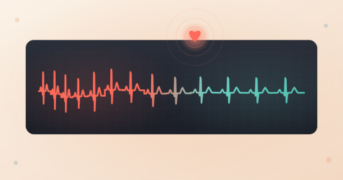
A panic attack is not an “overreaction” or a sign of weakness. It is the body’s natural alarm system that has gone overboard, like a guard shouting “FIRE!!” when there is no fire. Your heart races, your chest tightens, your hands may become numb or tingly, your thoughts race. All of this is unpleasant and frightening, but not dangerous, even if it doesn’t feel that way in the middle of it and when you first experience it, it feels exactly like something is very physically wrong. Often, symptoms include a rapid pulse, a feeling of choking, tingling in various parts of your body, sweating, and a fear of dying. These can be different for each person.
A single panic attack does not mean that a person has panic disorder. But if you do not respond to it, that is, do not seek help for your mental and physical health, there is a high probability that they will recur.
This wasn't the only time
My first panic attack was definitely over an hour long, but they became much shorter after that. On the one hand, because I started to understand when an attack was coming and I could react quickly and take medication if necessary. I didn't go to a psychiatrist right after the first attack. It happened several more times before I did anything because I wasn't willing to admit it to myself. I thought, I'm fine, why would I have panic attacks? I'll write about how I finally got help in the next story.
One of the times when a panic attack occurred at any moment was particularly memorable. We were dancing at a club with my friends, the mood was good – a real “the cork flew off the bottle” surprise. We had been at the club for a while when I suddenly felt tears starting to flow. I went outside and tried to calm myself down, but it didn’t work. By then, they had already happened several times, so even though my friend offered to call an ambulance, I didn’t see the need for it, because I had found that a sedative + walking helped me get back to normal. The evening was ruined for everyone, of course.
What I only realized later
One thing I didn't think about at the time was how a panic attack affects the person who witnesses it. It's extremely difficult for someone who sees you in such a state and stands helplessly by, even if you get over it pretty quickly yourself. Since I've had moments later where I've been by someone else's side when they're having a panic attack, I realized that seeing someone you love in such a vulnerable state and not being able to do much to help them is heartbreakingly painful.
Another thing I only realized in hindsight: almost every time I had a panic attack, I had consumed a lot of alcohol before or at the same time. Alcohol has a strong effect on the nervous system and brain chemistry. After all, my body then became too relaxed, so to speak, the nervous system seemed to get out of control in this state, and the result was a panic attack. And it's a vicious circle - you drink to avoid feeling anxious, but when you cross a certain limit or have a hangover, the feeling of anxiety is many times greater and a panic attack is more likely to occur. And because at that time I drank a lot of alcohol with energy drinks or espresso hot shots, the faster work of the heart was already "written" into the future.
How to deal with anxiety on a daily basis
Some things that have helped me and that I often share in counseling:
- Breathing – Slow exhalation (longer than inhalation) calms the nervous system faster than most other techniques.
- Walking – moving yourself helped me. Then you can observe what is happening around you, hear different sounds and focus on other than dangerous thoughts.
- Name it – “it’s anxiety, not a dangerous situation” helps the brain distinguish a feeling from a real threat. Some people even give their anxiety a name and say something like this: “Okay, Henri, you’re here. I’m nervous because I’m afraid of this meeting, but I know I can handle it. It’s not a life-threatening situation. I don’t need you.”
- Seek support – it’s hard to cope with all this alone. It often helps to express your thoughts to someone and you’ll feel better. And you don’t always have to do more than, for example, send a voice message to a friend saying, “I’m feeling anxious” and say whatever comes to mind. In our circle of friends, we call this “emotional trash can”"being, but what is important is that we always ask the listener for permission, is it okay to use them as a trash can? If the answer is no, then maybe just writing it down or recording a voice memo for yourself will help. You don't even have to listen to it again, you can delete it right away, but you've gotten those overwhelming feelings out of your head.
When to seek help
If anxiety starts to limit your daily life - you avoid meetings, work, or people because you're afraid of having a panic attack, it's time to talk to someone about it. Peer counselling is not a substitute for treatment or therapy, but it provides a space where you don't have to explain or justify your anxiety. I know firsthand what it feels like and I'm here to listen. However, I also recommend seeing a psychiatrist and/or psychologist/therapist in parallel.
If you are currently feeling in crisis or thinking about self-harm, please see Help in a crisis situation page.
If you feel like talking about your concerns, feel free to contact me.
Recommended reading
- Anxiety and mood disorders — Margus Lõokene, Hede Kerstin Luik (Varrak). A clear and practical Estonian-language treatment of how to spot anxiety and mood disorders in yourself and your loved ones, and what to do about it.
More reading and watching
- Panic disorder – Peaasi.ee. A clear overview in Estonian of what panic disorder is and how to recognize it.
- Panic Attack and Panic Disorder – Self-Help – Peaasi.ee. Practical self-help strategies and reassurance that a panic attack itself does not cause fainting, loss of control, or death – fears that many people experience during a panic attack.
- Understanding the stress response – Harvard Health. Explains the biology of the fight-or-flight response, in English.
- Panic Disorder – StatPearls, NIH/NCBI. A comprehensive clinical overview of panic disorder, in English and more of a medical read.
- What causes panic attacks, and how can you prevent them? – TED-Ed (Cindy J. Aaronson), YouTube. About a five-minute animated explanation of what happens in the brain and body during a panic attack.
Leave a Reply